
Smart Skin & Shape-Shifters: The Rise of 4D Printing in 2026

4D printing's taking off in 2026, with smart skins that adapt on command and shape-shifters morphing for aerospace and biomed wins. Market's surging—don't miss why it's the next big thing. Check out the full story inside.
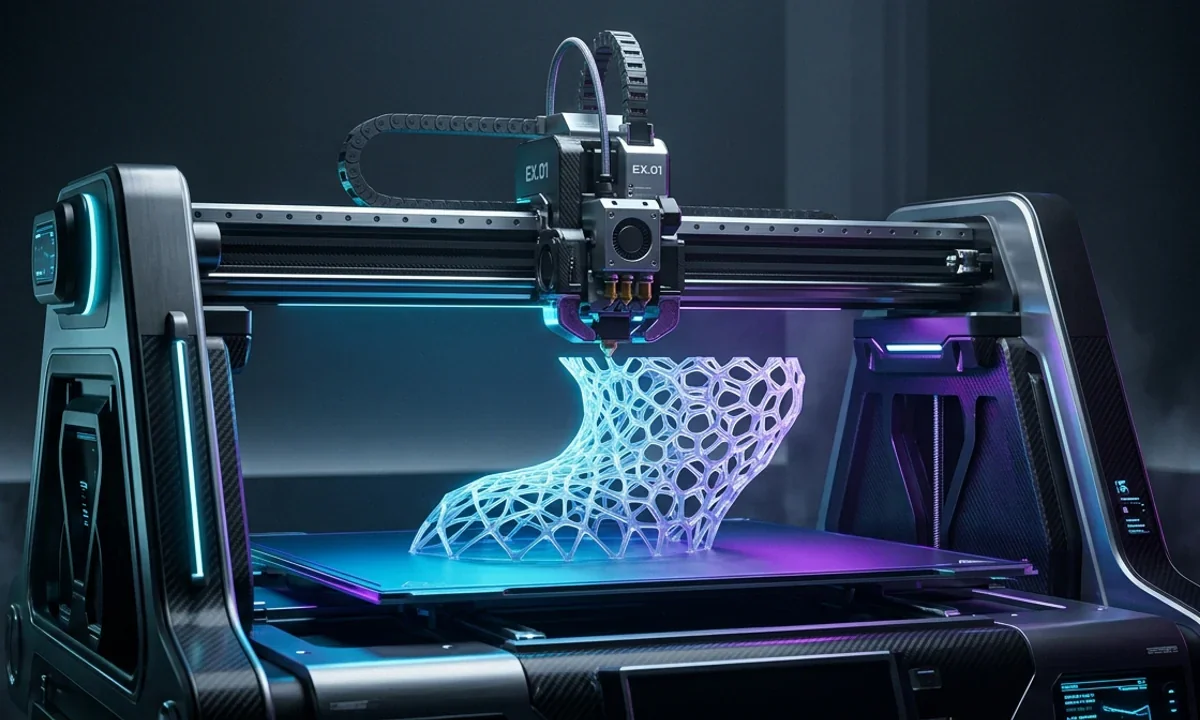
Penn State researchers just unveiled a cephalopod-inspired smart skin via halftone-encoded 4D printing, shifting the field from lab curiosities to deployable prototypes that morph under heat, solvents, or stress. This comes as market forecasts peg 4D printing at a 34% CAGR through 2035, with 2026 marking scaled pilots in aerospace and biomed. For engineers prototyping adaptive structures, these advances mean fewer static failures in dynamic tests.
Current Surge in 4D Printing
Global 4D printing revenue hits USD 382.7 million this year, up from 281.7 million in 2025, propelled by demand for stimulus-responsive materials in harsh environments. Projections show it reaching 5.4 billion by 2035, driven by aerospace needs for self-morphing parts and biomedical pushes for programmable implants. Conferences amplify this: the 5th International 4D Materials Design and Additive Manufacturing (4DMDA 2026) opens abstract submissions through March 30, set for July 9-10 in Dublin.
Market Projections and Drivers
A 34.36% CAGR underscores smart materials' role, with U.S. growth at 35.54% fueled by multifunctional composites over traditional FDM or SLS limits. Aerospace firms seek shifters enduring vibration and temperature swings; biomed labs target skins for tissue integration. Scaling hinges on vat photopolymerization hybrids lowering costs 20-30% per part.
 Credit (c) YouTube: Exactitude Consultancy
The 4D printing market in 2026 is segmented by materials like programmable carbon fiber and by end users such as aerospace and medical sectors, reflecting significant growth potential.
Key 2026 Milestones
4DMDA 2026 spotlights LCE programming and hydrogel actuation, with a July 8 workshop for R&D pros. Parallel events like the September 3D Printing conference in Istanbul preview digital light synthesis demos. Recent Penn State work sets the pace, proving single-layer multifunctionality.
Breakthroughs in Smart Skins and Shape-Shifters
Hydrogels now encode binary patterns for optical, mechanical, and morphing control in one print, as Penn State's halftone method demonstrates: ethanol hides images like the Mona Lisa, ice water or heat reveals them. Stretching uncovers patterns via digital image correlation, adding mechanical decryption without extra layers. This cephalopod mimicry - flat sheets curving into textured domes - sidesteps prior limits of rigid prototypes failing under real stimuli.
4D Printing? Materials That Transform Themselves! - Source (Youtube@Technology Eyeball)
Printing Techniques
Vat photopolymerization via DLP cures full layers fast, enabling precise LCE alignment post-print through stretch-and-heat programming. Stereolithography variants like digital light synthesis handle multi-material hybrids, embedding instructions for 4D effects without FDM's anisotropy. Halftone encoding in these boosts resolution, printing complex gradients in single passes.

Industry Impact and What's Next
Aerospace gains self-deploying skins cutting test cycles 40%; biomed sees faster prototyping of morphing scaffolds for implants. R&D labs scale via DLP's speed, but biocompatibility tuning remains key for harsh environments. Watch 4DMDA outcomes by late summer - early adopters report first field trials in Q3, though full commercialization timelines hinge on material standardization.
Technical communicator specialising in 3D printing workflows, covering the full content spectrum: foundational guides, step-by-step how-to tutorials, hands-on reviews, curated top picks, troubleshooting solutions, and industry news.